9 Family History Writing Prompts to Preserve Stories
Explore 9 family history writing prompts with practical tips, sample answers, and creative ways to preserve stories, memories, recipes, and milestones.
Your aunt remembers the smell of onions softening in her childhood kitchen. Your father remembers arriving early for his first day at work, unsure which door to use. Another relative can describe the suitcase they carried when they moved to a new country, but nobody has written down what happened next.
These details may feel too small for a formal family history. They're useful starting points precisely because they're specific. A smell, a doorway, or an object gives you something concrete to ask about, describe, and connect to the people who were there.
Family history writing prompts work best when they lead to a small, finished project, not an overwhelming request to explain an entire life. Pair a memory with a photograph, recipe, document, recording, or written reflection. Then save the story with enough context that someone who wasn't there can understand it.
- Begin with what feels easy. Childhood rooms, familiar meals, and ordinary workdays are all suitable starting places.
- Invite another voice. A sibling, grandchild, or distant cousin can ask questions or contribute a different recollection.
- Keep the original material. Save the recording or handwritten page alongside the edited story.
Each project below can stand alone or become part of a memoir, reunion collection, or multigenerational archive. The short sample answers are fictional illustrations, not accounts from real families.
Table of Contents
- 1. Life Timeline by Decade, Including Career
- 2. Describe Your Childhood Home
- 3. Family Recipes and Food Traditions
- 4. Heirloom Objects and Their Stories
- 5. Ethical Will and Life Lessons
- 6. Letters to Future Generations
- 7. Turning Points and Hard-Earned Lessons
- 8. Where Our Family Came From and Migration
- 9. Interview Your Elders with Oral History Questions
- 9 Family History Writing Prompts: Comparison Guide
- Build a Family Story Collection That Keeps Growing
1. Life Timeline by Decade, Including Career
A life timeline doesn't have to begin at birth. Start with the period you remember most clearly, perhaps raising children, learning a trade, or moving into your own home. Use decades if they help, or divide your life into meaningful stages instead.
Memory trigger: Place a familiar photograph, school report, work badge, or calendar in front of you. Ask yourself where you lived, who shared your days, and what occupied most of your attention. The simple life review guide offers a related starting point for organizing personal recollections.
Turn a timeline entry into a scene
Writing activity: List the main events of a life stage, then choose an ordinary day to describe closely. For working life, include the journey to work, the tools you handled, the people you depended on, and something you had to learn. Explain workplace language as though you're speaking to a grandchild who has never seen that job.
- Supporting material: Add a workplace photograph, qualification, letter, or image of a tool. Explain its connection rather than leaving the reader to guess.
- Family contribution: Ask a former colleague or relative what they remember about this period. Keep their additions clearly attributed.
- Preservation method: Save each stage under a descriptive heading, with approximate dates marked as approximate.
Illustrative sample answer: “At the repair shop, I arrived before the front shutters opened. My supervisor taught me to lay out my tools before touching the machine, a habit I later carried into cooking and gardening.”
Include what you were proud of, but also what felt repetitive or difficult. Those details make working life more understandable than a job title alone.
2. Describe Your Childhood Home
Start at the front door. What would someone entering your childhood home have noticed first: shoes beside the wall, a narrow hallway, cooking smells, or a radio playing in another room?
A photograph of a familiar interior can help you begin describing the spaces where family life happened.
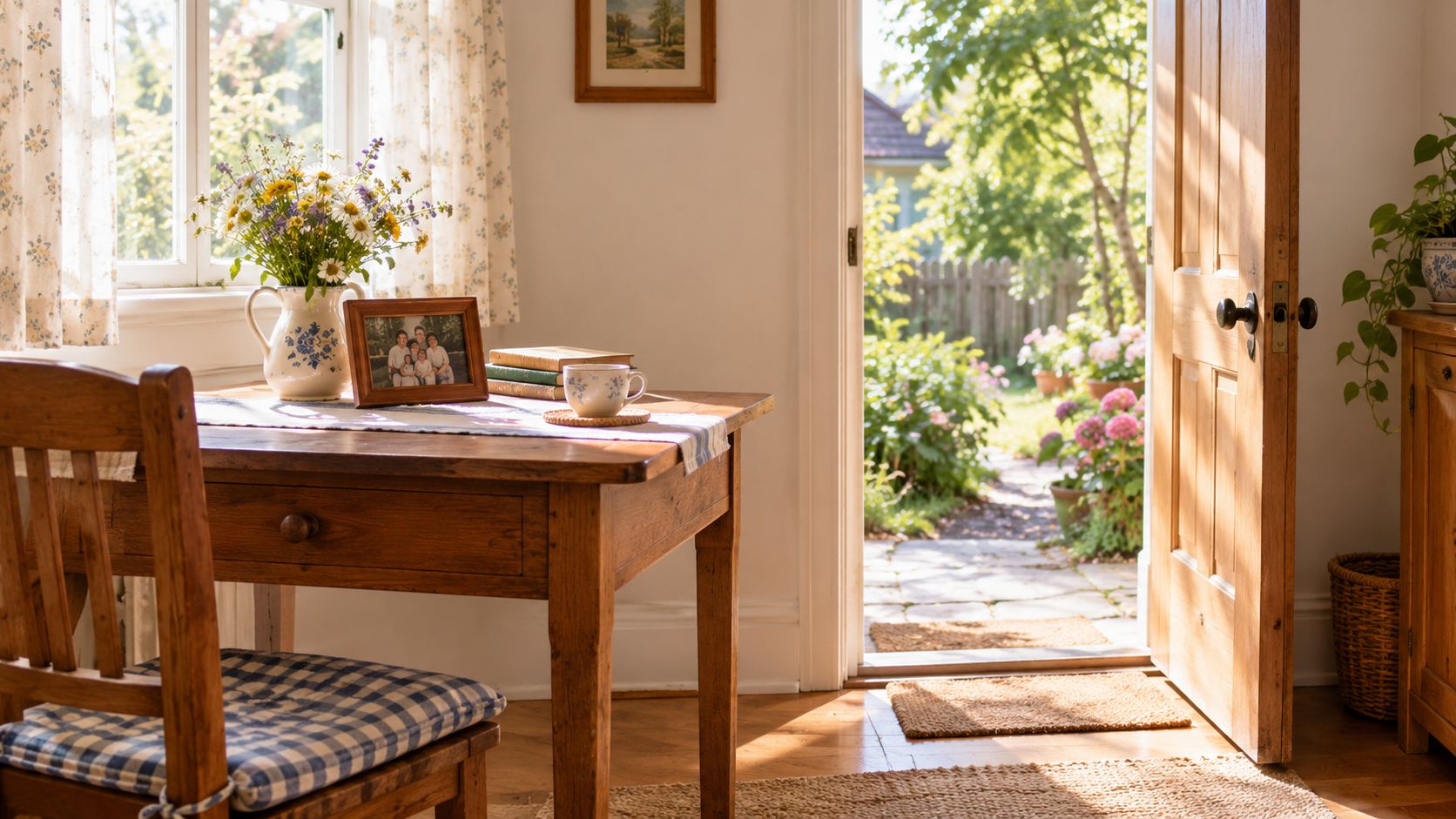
Memory trigger: Sketch a rough floor plan, even if the proportions are wrong. Label rooms with the names your family used, such as the back room or Grandma's room. Include the porch, yard, shared stairway, or nearby street if those places mattered.
Walk through the house in writing
Writing activity: Describe your route through the home, stopping wherever a memory appears. For each space, record a sensory detail, an everyday activity, and a person associated with it. Instead of saying the kitchen was busy, explain who stood at the stove and where everyone else gathered.
Supporting material: Attach a family photograph, an old address label, or your annotated sketch. If you revisit the property, distinguish what you see today from what you remember from childhood.
Illustrative sample answer: “The kitchen window misted over when Mum boiled the washing. I sat beneath it with my schoolbooks, moving them whenever she needed the table.”
Preserve the house as you experienced it. A sibling's different memory can sit beside yours without either account being erased.
Preservation method: Save the drawing and story together. Add the address if known, the period you lived there, and a note identifying who contributed each recollection.
3. Family Recipes and Food Traditions
Choose a dish someone still requests at family gatherings. Your project isn't to record its ingredients, but to explain who made it, when it appeared, and what happened around the table.
Use the finished dish as a visual starting point before writing its story.
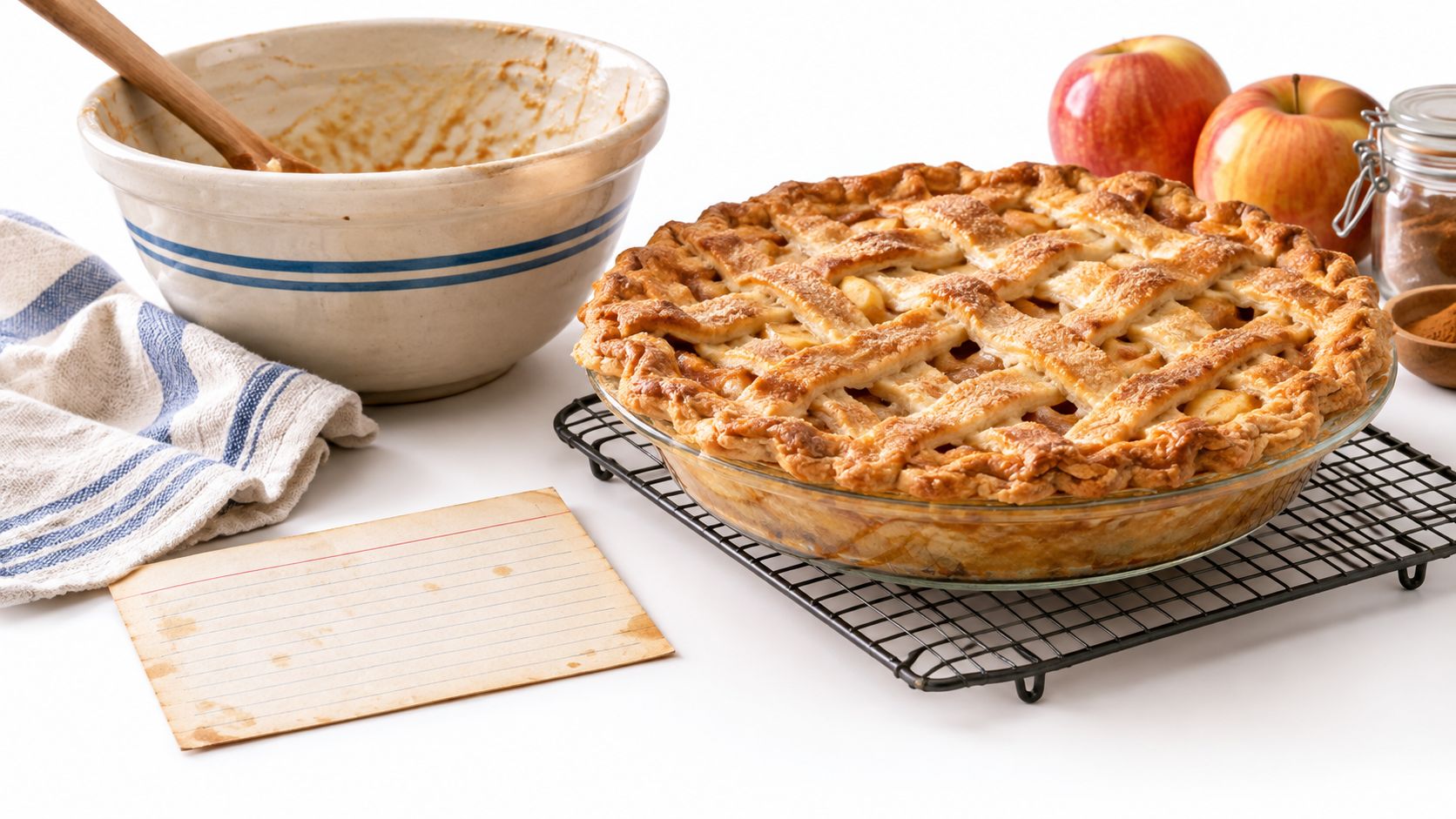
Memory trigger and writing activity: Ask the cook to prepare the dish while explaining what they're doing. Record instructions such as how the dough should feel or what color the onions should reach, then write a separate paragraph about your earliest memory of eating it. Ask another relative whether they remember the same occasion.
Keep the recipe and the memories together
Supporting material: Photograph the handwritten recipe, cooking utensils, and finished food. Mark estimated measurements clearly, and preserve the original recipe separately from later adaptations. If you experiment with swaps for gluten-free baking, label the adapted version so readers know what changed.
Illustrative sample answer: “Auntie never called this a celebration cake, but she made it whenever someone came home. I remember waiting for her to scrape the last batter from the bowl.”
A video can sit alongside the recipe and written recollections.
Preservation method: Create a recipe entry containing the instructions, cook's name, photographs, and story. Invite relatives to add their versions, using these legacy project ideas to develop a shared food collection.
4. Heirloom Objects and Their Stories
An inherited watch may be carefully wrapped yet almost undocumented. A quilt, gardening tool, or chipped serving bowl can present the same problem: you know it matters, but you're not sure why.
Place the object where you can examine and photograph it safely.
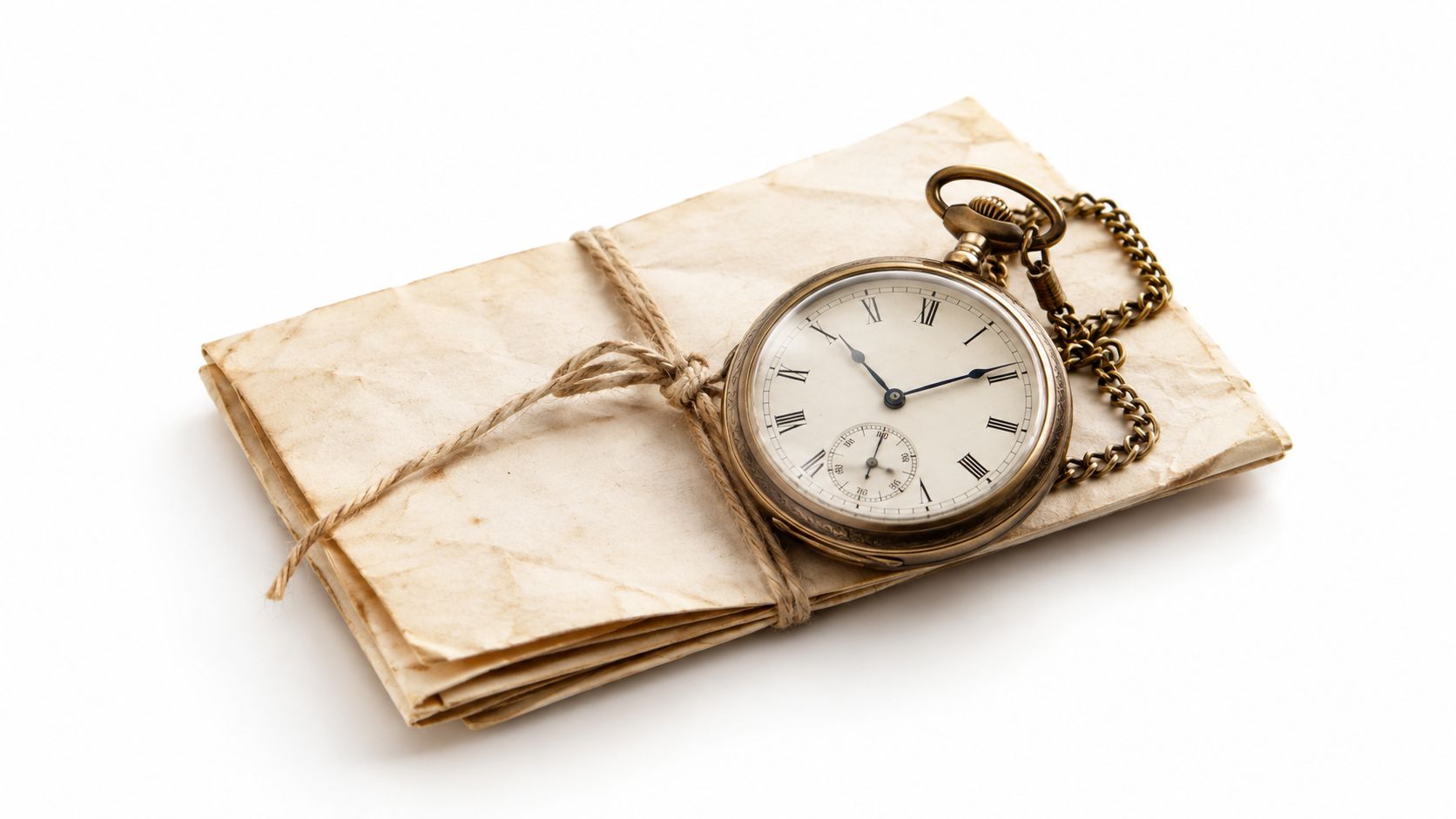
Memory trigger: Look for wear, repairs, initials, stains, or handwritten markings. Ask the relative who knows the object best when they first saw it and how it was used. Don't clean, repair, or handle a fragile item merely to make the project look better.
Write an object biography
Writing activity: Describe the object's appearance, its known owners, and a scene involving it. Separate confirmed information from remembered or uncertain details. These memory-keeping ideas can help you connect the object to a broader collection.
- Supporting material: Photograph identifying marks and include something that shows the object's size.
- Missing information: Write “owner unknown” or “date uncertain” rather than filling a gap with a plausible story.
- Family contribution: Invite relatives to describe what they associate with the object, including conflicting recollections.
Illustrative sample answer: “Dad kept this watch in his jacket pocket, although I never saw him wind it. My sister remembers it belonging to our grandfather, but we haven't found a document confirming that.”
Preservation method: Keep a labeled story card near the object without attaching anything that could damage it. Save the photographs and longer account digitally, noting where the physical object is stored and who currently cares for it.
5. Ethical Will and Life Lessons
What would you want your family to understand about the choices you made? A legacy letter, sometimes called an ethical will, is a personal way to write about values, hopes, and lessons rather than possessions. Keep this project separate from instructions about inheritance or other legal arrangements.
Memory trigger: Recall a decision that revealed something important to you. Perhaps you helped a neighbor, changed your mind after an argument, or chose time with family over another opportunity. Start with the event rather than a broad statement about being kind or working hard.
Explain the experience behind the advice
Writing activity: Address someone you care about and answer these questions in your own voice:
- What have I learned? Describe a lesson and the experience that taught it.
- What do I hope for you? Offer a hope without prescribing the reader's life.
- What should you remember about me? Include something human, not just admirable.
Supporting material: Add a letter, photograph, or family saying connected to the experience. You don't need an attachment for every lesson, but a concrete detail can help explain why you hold a particular value.
Illustrative sample answer: “I used to think accepting help meant I'd failed. When our neighbor brought dinner during your father's illness, I learned that letting people care for us can be generous too.”
Preservation method: Date and sign the letter, and tell a trusted relative where it's saved. If you share a draft, invite questions rather than asking everyone to agree.
Leave room for uncertainty. “I'm still learning this” may express your experience more clearly than advice written as an absolute rule.
6. Letters to Future Generations
“Dear whoever opens this” is a perfectly good beginning. You can write to a grandchild you know, a younger relative, or a future family member whose name you'll never learn. The letter can introduce your everyday world as well as your hopes.
Memory trigger: Look around on an ordinary day. Notice how you communicate, what you carry when leaving home, how you prepare meals, and which family routines you take for granted. Describe things the future reader might not recognize.
Write from the present, not just the past
Writing activity: Begin with where you are and what you've been doing. Then explain something you're enjoying, something you find difficult, and something you'd like the reader to know about the family. You don't have to predict the future to speak meaningfully to it.
Writing permission: You don't need to sound wise. A letter about your garden, your commute, or an ongoing family joke is welcome material.
Supporting material: Include a photograph of your surroundings, a handwritten note, or a list of expressions your family uses. Explain who appears in pictures and why the attached items matter.
Illustrative sample answer: “I'm writing beside the window where I grow herbs in old mugs. Your mother says I keep too many containers, but I like making something useful from what's already here.”
Preservation method: Keep a dated printed copy and a digital copy with a clear title and intended recipient. Tell relatives where to find them and note any preference about when the letter should be read.
Return to the letter when you have something new to say. An ongoing series can include changes of mind, new relationships, and small developments alongside major events.
7. Turning Points and Hard-Earned Lessons
Some memories need more care than others. A move, illness, loss, reconciliation, or unexpected opportunity may be important to your family history without being easy to discuss.
Memory trigger: Choose a moment you feel ready to revisit. You can begin with a practical change, such as finding a new home, rather than the most painful experience you've had. Decide in advance what you want to keep private.
Describe what changed without forcing a happy ending
Writing activity: Follow a simple sequence: what happened, what you felt, what you did, and what you understand differently now. Describe your own role, but don't assume you know what another person thought.
Research summarized by Marshall Duke and Robyn Fivush on family history and adolescent identity found that adolescents who knew more family stories reported higher emotional well-being and stronger identity achievement, even after controlling for overall family functioning. That's an association, not a guarantee that writing about difficult experiences will improve anyone's well-being.
- Supporting material: Choose a letter, photograph, or document that helps establish the setting without exposing unnecessary private information.
- Sharing boundaries: Ask permission before including sensitive details about someone else.
- Preservation method: Mark whether the account is private, family-only, or suitable for wider sharing.
Illustrative sample answer: “When the workshop closed, I was embarrassed to tell anyone. My brother helped me prepare for interviews, and I began to understand that accepting support wasn't the same as giving up.”
You can leave the lesson unfinished. Some turning points remain complicated, and an honest account doesn't need a neat resolution.
8. Where Our Family Came From and Migration
Begin with a place name someone in your family still mentions. It might be a village, neighborhood, farm, or city left behind. Ask what the place meant to them before searching for dates and documents.
A map beside a family photograph gives you a practical surface for tracing remembered journeys.
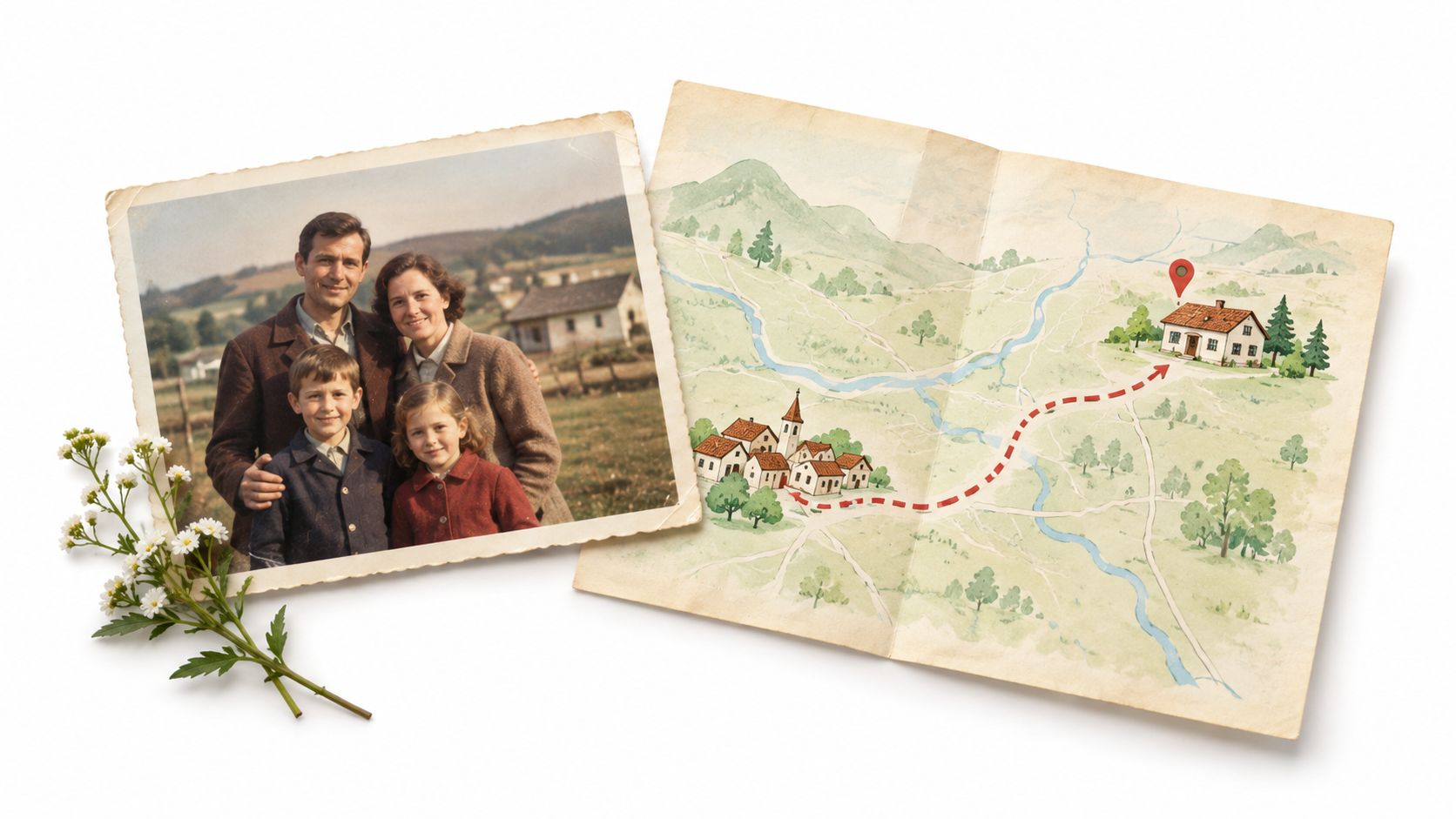
Memory trigger: Ask a living relative where the family lived before their current home, who moved together, and what they took with them. Include moves within a country as well as journeys across borders. Don't assume migration was voluntary or that everyone experienced it the same way.
Connect the route to the people
Writing activity: Sketch the known locations and write a short passage about each transition. Describe the reason given for the move, the arrival, and what changed afterward. Include relationships: who encouraged the journey, who stayed behind, and who helped at the destination.
- Supporting material: Gather letters, address books, identity documents, travel papers, and labeled photographs already available to the family.
- Evidence labels: Distinguish documented information, personal recollection, family tradition, and unresolved questions.
- Multiple voices: Preserve different explanations instead of combining them into an account nobody gave.
Illustrative sample answer: “Mum remembered leaving because work had become scarce. Her brother recalled that joining relatives was the main reason. Their letters confirm the destination, but we're keeping both explanations.”
Preservation method: Save the map with the story and document images. Record who supplied each detail, and avoid publicly sharing personal information from documents concerning living relatives.
9. Interview Your Elders with Oral History Questions
An interview can begin with something as simple as asking an older relative to explain a photograph. You don't need to be a professional interviewer, and the narrator doesn't need to arrive with a polished life story.
Memory trigger: Send a familiar topic or photograph in advance. Ask whether they'd prefer to speak in person, by phone, or online, and get permission before recording. The guide to oral history interviews online offers a related approach for relatives who live apart.
Follow the detail that interests them
Writing activity: Start with an open question, such as “What do you remember about your first job?” Follow with “What happened next?” or “Who was with you?” Let the narrator pause, change direction, or decline a topic.
- Supporting material: Keep photographs or documents nearby, but don't let them distract from listening.
- Family roles: A younger relative can choose a picture, another can ask questions, and someone else can organize the resulting files.
- Review step: If you use Scribiz audio transcription, compare the resulting text with the recording before treating it as a finished account.
Illustrative sample answer: “I thought I'd remember the work most clearly, but it's the bus conductor I remember. He noticed how nervous I was and told me which stop to use.”
Preservation method: Save the original recording, reviewed transcript, interview date, and narrator's sharing preferences together. Ask the narrator to approve edits that change wording or remove passages.
A review of reminiscence and life-story interventions reported encouraging findings but rated most underlying reviews critically low quality. Treat the interview as an opportunity to listen and preserve stories, not as a promised health intervention.
9 Family History Writing Prompts: Comparison Guide
| Life Story Prompt | 🔄 Implementation Complexity | Resource Requirements | 📊 Expected Outcome | ⭐ Ideal Use Case & Key Advantage |
|---|---|---|---|---|
| Life Timeline by Decade, Including Career | Low; write in short chronological sections | Dates, photos, workplace details (optional) | Readable overview of life and work across decades | Memoir foundation; makes a large life story manageable |
| Describe Your Childhood Home | Low; describe spaces room by room | Memories, floor plan, or old photos (optional) | Vivid account of home life, routines, and surroundings | Capturing sensory details and family culture |
| Family Recipes and Food Traditions | Medium; record and test recipes while gathering stories | Recipes, ingredients, family contributors, photos (optional) | Usable recipe collection with cultural and family context | Preserving food heritage; combines practical value with storytelling |
| Heirloom Objects and Their Stories | Low to medium; research an object's history | Heirloom, photos, and known ownership details | Object history linked to family members and memories | Documenting tangible family keepsakes and their provenance |
| Ethical Will: Values and Life Lessons | Medium; reflect and write a personal letter | Reflection time; legal documents for storage context (optional) | A non-legal statement of values, hopes, and guidance | Passing on beliefs and lessons in a concise, personal form |
| Letters to Future Generations | Low; write a letter or periodic installments | Paper or durable digital storage | Personal snapshot of the writer's era for future readers | Creating an intimate, forward-looking family record |
| Turning Points and Hard-Earned Lessons | Medium to high; reflect carefully on significant events | Personal recollection; privacy boundaries | Narrative of challenges, choices, and lessons learned | Sharing practical wisdom and family resilience stories |
| Where Our Family Came From: Origins and Migration | Medium to high; combine research with family accounts | Relatives' memories, maps, and historical records | Researched account of family origins and migration | Exploring identity and ancestry; distinguishes evidence from family lore |
| Interview Your Elders: Oral History Questions | Medium; plan, record, and possibly transcribe interviews | Interview questions, recording device, and file storage | Preserved spoken memories, voice, and personal stories | Capturing details through conversation; builds connection across generations |
Build a Family Story Collection That Keeps Growing
You don't need to complete a family tree before you start writing. Choose the prompt that already has something attached to it: a remembered room, a recipe card, an inherited object, or a relative who enjoys talking about work. Begin with a memory you can describe, not a project you feel obliged to finish.
Set aside a short writing or recording session and collect a supporting item. Write enough to explain who was involved, where the memory belongs, and why you wanted to keep it. If a detail is missing, record the question rather than delaying the whole story.
Make the finished piece easy to find
Save the account in a shared digital record or a clearly labeled physical folder. Keep original photographs, recordings, and handwritten pages alongside edited versions whenever possible. Give each entry a title that tells relatives what they'll find, such as “Mum's first day at the repair shop,” rather than an unexplained filename.
- Identify the contributor. Record who told the story, who wrote it down, and when you collected it.
- Explain the attachments. Caption photographs and connect documents to the relevant passage.
- Record uncertainty. Mark approximate dates, disputed memories, and questions still waiting for an answer.
- Clarify access. Tell relatives where the collection is kept and which pieces are private.
A collaborative archive can accommodate different levels of interest. Someone who doesn't enjoy writing might identify people in a photograph, record a voice message, or add a note about a recipe. Relatives living elsewhere can contribute when they have time rather than waiting for everyone to gather.
A correction doesn't spoil a family story. Keep a note of what changed and who supplied the new information.
As the collection grows, arrange the pieces by relative, place, life stage, or theme. You can combine them into a printed family book or use remembers.life to create a record of relatives' stories, memories, and experiences for future generations. Keep the supporting material accessible so the finished collection doesn't lose its connection to the original voices.
Revisit it when someone discovers another photograph, remembers a missing name, or cooks a dish differently. The most valuable archive isn't the one completed all at once. It's the one that makes room for the next family member to add a memory of their own.
remembers.life offers a way to create a record of life's stories, memories, and experiences for future generations. Choose a prompt, gather a photograph or recording, and visit remembers.life to begin preserving the story behind it.