10 Questions to Ask Family for Meaningful Stories
Use these questions to ask family about childhood, values, relationships, milestones, and memories worth preserving for future generations.
Meaningful family history rarely appears because someone announces, “Now we're going to conduct an interview.” It usually emerges when one person asks a specific question, waits through the silence, and follows a memory wherever it leads. Before you ask about favorite childhood moments, have you considered asking what made that moment important, who was present, and what the storyteller carried forward from it?
A structured conversation matters because family memories can disappear when nobody records them. Independent oral-history and genealogy sources often describe family narratives fading within roughly three generations, or about 60 to 90 years, while one poll cited by Modern Heirloom Books on preserving family memories found that only one in three Americans had documented a conversation with a loved one. Nearly half later regretted not doing so after that person died.
These questions to ask family guide you from comfortable memories toward relationships, identity, values, resilience, and legacy. Choose one question, listen without interrupting, ask for sensory details, and let the speaker decide how far to go. If you plan to record or share anything personal, ask permission first. For especially important conversations, accurate transcribing interviews can help preserve the storyteller's own words instead of reducing a rich memory to a summary.
Table of Contents
- 1. What is a memory from your childhood that shaped who you are today?
- 2. Who has been the most influential person in your life, and why?
- 3. What family traditions or rituals have been meaningful to you, and why?
- 4. Tell me about a love story, yours or someone in our family's, that moved you.
- 5. What brings you the most joy or happiness in your life right now?
- 6. What accomplishment are you most proud of, and what did it teach you?
- 7. What values are most important to you, and where did they come from?
- 8. Can you tell me about a time you overcame a significant challenge or failure?
- 9. What is a lesson you learned the hard way, and how has it served you?
- 10. What advice would you give your younger self, and what would you tell the next generation?
- Comparison of 10 Family Questions
- Preserve the Stories Before They Fade
1. What is a memory from your childhood that shaped who you are today?
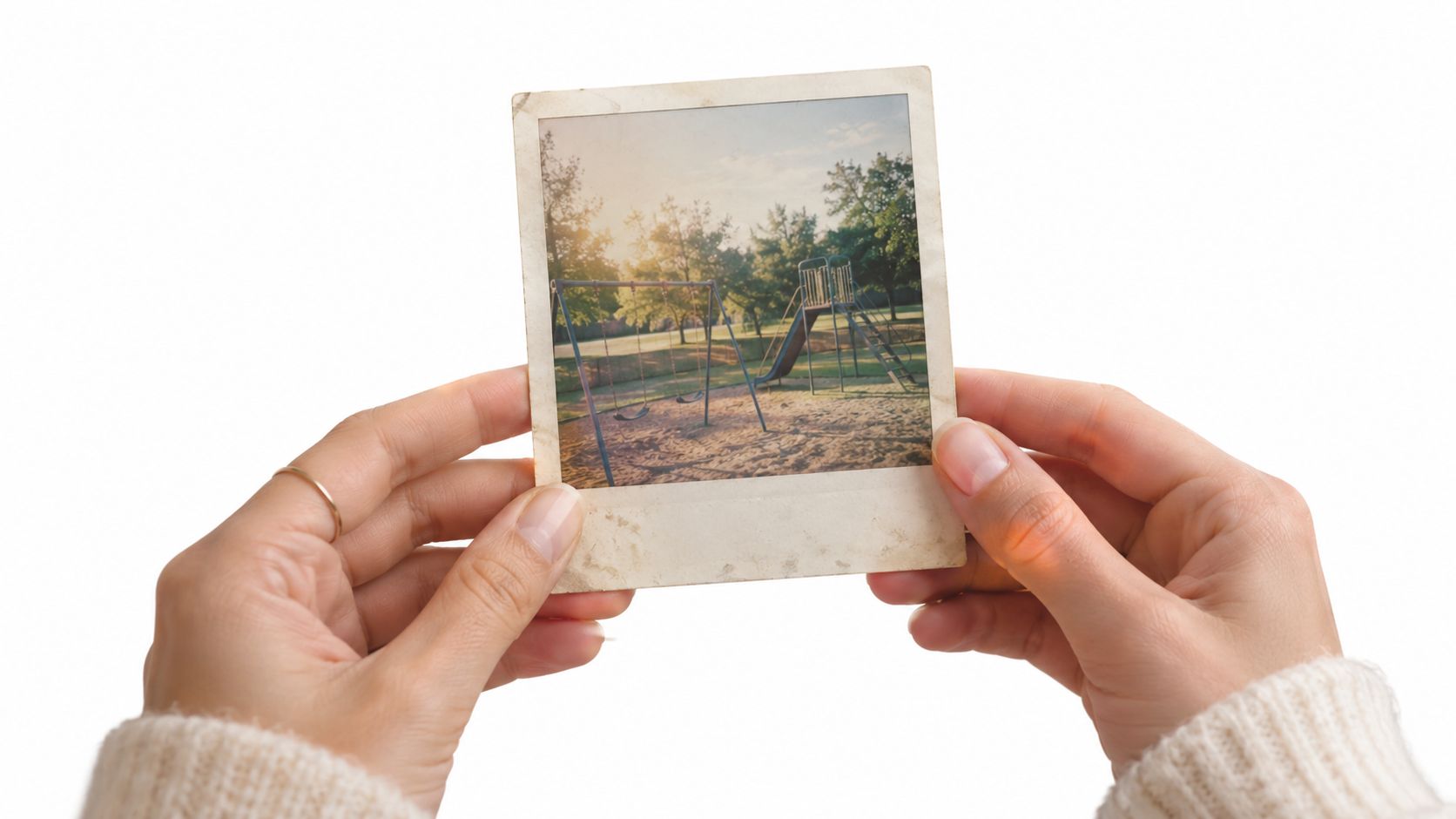
This question gives a family member room to choose the memory that still feels alive. It might be a joyful afternoon, a difficult move, a teacher's encouragement, or an experience with a sibling that shaped their ideas about loyalty. The answer may reveal more than what happened. It can show how someone learned to trust, adapt, care for others, or pursue a particular path.
A grandparent might remember arriving in a new country and learning to adapt to unfamiliar customs. A parent might describe the teacher who noticed their talent when other adults didn't. Someone might tell you about a brother or sister who stood beside them during a difficult period. Don't decide in advance which stories count as important.
Help the memory become vivid
Ask gentle follow-ups rather than firing off a second unrelated question:
- Locate the scene: Who else was there, and where did it happen?
- Invite emotion: How did you feel at the time, and how do you feel about it now?
- Add the senses: What could you see, hear, smell, or touch?
- Explore the influence: What did that experience teach you about yourself?
Silence is useful. People often need time to retrieve details, especially when the memory carries emotion. You can preserve the conversation through audio or video, or create a written record using this oral-history interview guide. Keep the recording natural. A pause, laugh, correction, or change in tone can be part of the authentic story.
2. Who has been the most influential person in your life, and why?
Who helped you become the person you are? The answer may be a grandparent who taught you to repair things, a friend who offered shelter during a difficult season, or a mentor who encouraged you to apply for work that seemed beyond your reach. The name matters, but the relationship reveals more. Ask what this person understood, offered, or challenged in them.
Follow the story from one remembered action to its wider meaning. If the storyteller mentions a former teacher, ask what the teacher noticed and which words stayed with them. If they name a sibling, ask about a time that person stood beside them. A small act can reveal identity, loyalty, or resilience more clearly than a broad description of someone's character.
Use Find the moment to focus on one conversation, decision, or ordinary day. Then Name the lesson: what did the person teach directly, and what did the storyteller learn by watching them? Trace the influence by asking whether that lesson shaped a later choice or was passed to someone else. Finally, Honor the relationship: what would the storyteller want that person, or that person's family, to understand about their influence?
Pause after each answer. Silence gives the storyteller room to remember and decide how much to share. If a memory feels painful, accept a shorter answer or offer to return to it later.
A written tribute, video message, or guide to life-story audio recording can preserve the story. Keep the recording natural. Hesitation, laughter, corrections, and changes in tone help retain the storyteller's authentic voice.
Practical rule: Ask about one specific action or conversation. “Why were they important?” opens the subject, while “What did they do on a day you needed help?” brings the relationship into focus.
3. What family traditions or rituals have been meaningful to you, and why?
Traditions reveal how a family creates belonging. They might involve a holiday meal, a weekly visit, a religious observance, a birthday song, a seasonal outing, or a quiet routine that nobody thought to name. Ask about the practice itself, but also ask what it made people feel.
Invite the storyteller to walk you through the tradition from beginning to end. Who prepared the food? Which objects came out of storage? What music played? Who usually arrived first, and who stayed to clean up? Details about recipes, decorations, clothing, prayers, jokes, and arguments can show how a ritual changed as the family grew.
Record both continuity and change
Ask when the tradition began and who introduced it. Then ask what has changed. Perhaps the original gathering took place in a small apartment, but later moved to a larger home. Maybe a dish once required ingredients that were difficult to find, or a ceremony adapted after relatives moved to different countries.
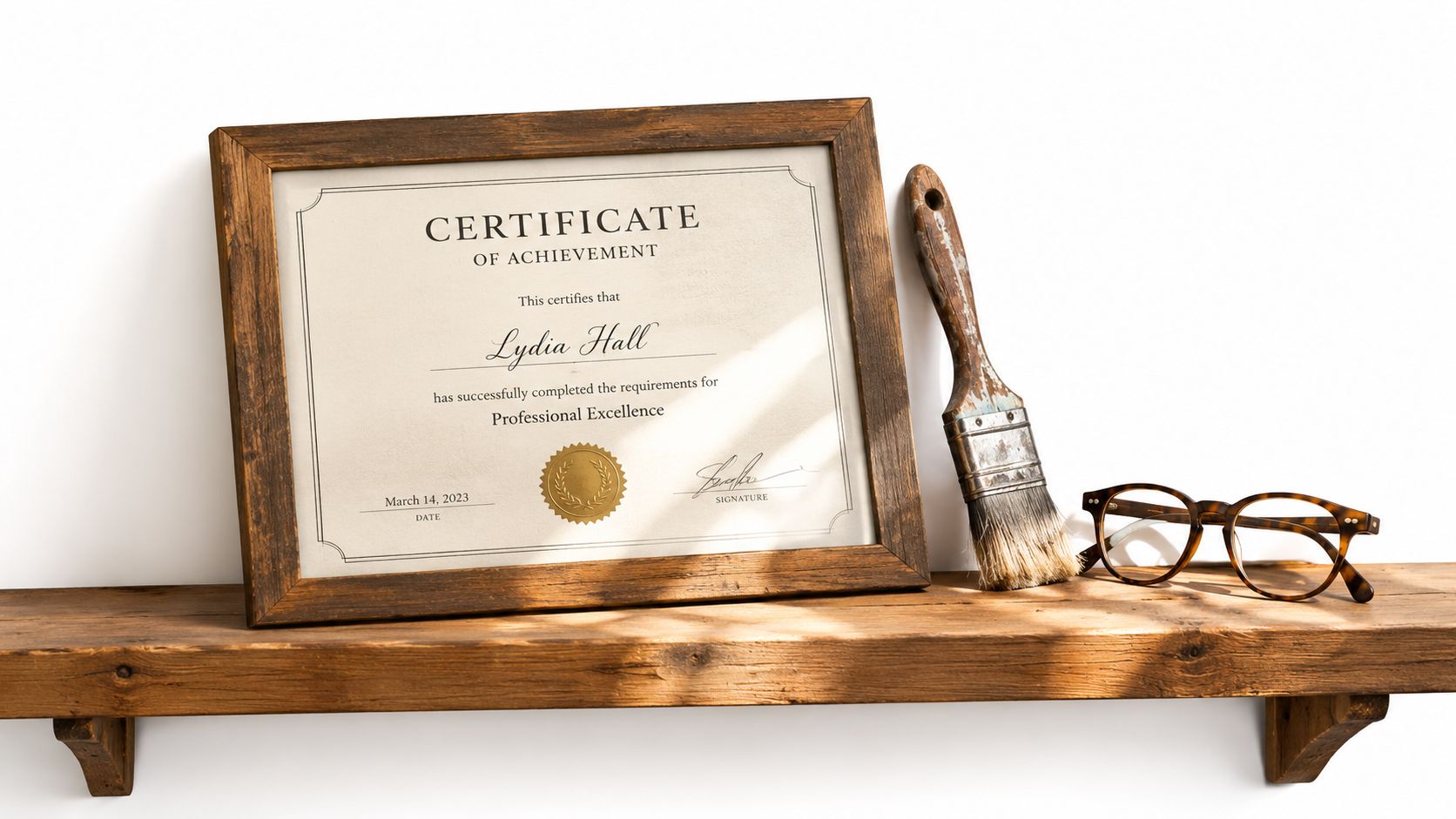
Photographing or recording the tradition as it exists today can complement an older account. A framed certificate or another family object may also prompt a story about the person who displayed it and why it mattered.
Ask, “What would be lost if this tradition disappeared?” The answer may concern food, faith, language, hospitality, remembrance, or just the chance to sit together. For more prompts that can help parents describe family customs and memories, see these interview questions for parents.
A short video can preserve movement and sound as well as words. Use it later in the conversation, after the speaker has described the tradition in their own way.
4. Tell me about a love story, yours or someone in our family's, that moved you.
Love stories don't have to focus on romance. A family member might describe meeting a spouse, but they might also tell you about a friendship that lasted through illness, a neighbor who became family, or the moment they understood how they loved a child. This question makes room for commitment, tenderness, sacrifice, humor, and chosen family.
Create a setting where the person doesn't feel watched or rushed. A quiet room, a familiar chair, or a walk can feel less formal than sitting across a table with a phone pointed at them. Begin with the kind of love they want to discuss, and let them decline any part that feels private.
Ask for the scene, not the summary
If someone says, “We just knew,” invite the detail gently. When did you first notice? What do you remember about the room, the weather, the expression on the other person's face, or the words exchanged? If they describe a friendship, ask what that friend did during a difficult moment and how the relationship changed over time.
A recording can preserve a smile, a pause, or a softened voice, but only if the storyteller agrees. Don't treat emotional responses as interruptions. Give the person time to collect themselves, and offer to stop, continue later, or keep the conversation private.
End by asking how that love still shapes them. The answer may connect an old relationship to present-day choices, family habits, or the way they care for others. That connection turns a romantic anecdote into part of a larger life story.
5. What brings you the most joy or happiness in your life right now?
Family history shouldn't focus only on the past. This question creates a record of the person as they are today, including the ordinary activities, relationships, and pleasures that give life meaning. The answer could be time with grandchildren, gardening, painting, music, faith, a close friendship, a favorite walk, or the satisfaction of mastering a new skill.
Ask for a recent example rather than accepting a general answer. What happened this week that made you feel happy? Who was with you? What did you notice in that moment? A small story about tea with a neighbor may reveal more about companionship than a broad statement about valuing friendship.
Notice how joy has changed
Follow up by asking when this source of happiness became important. Someone who now treasures quiet mornings may explain that earlier life demanded constant activity. Someone who finds joy in creative work may describe how they finally made room for it after years of putting other people first.
You can also ask, “What do you hope the family understands about happiness from the way you live?” That question invites reflection without suggesting that the person must offer a polished philosophy. Let the answer remain personal and specific.
If the storyteller is comfortable, video can capture the energy that appears when they discuss something they love. Save the original file as well as any edited version. A short, imperfect recording may preserve the person's genuine voice better than a carefully scripted statement.
6. What accomplishment are you most proud of, and what did it teach you?
An accomplishment can be public or deeply personal. It might involve raising children through difficult circumstances, learning to read, rebuilding after a health challenge, changing careers, creating a welcoming home, or repairing a relationship. Invite the storyteller to define success in their own terms. The achievement matters because of what it reveals about their priorities and character.
Ask about the journey before focusing on the result. What obstacles appeared? Who helped? What did they need to learn, give up, or attempt again? Someone who speaks proudly about starting a business may reveal more about managing fear before the first step than about the business itself. Capture those details, since uncertainty and effort give the story its shape.
Guide the conversation with four gentle prompts: Start with the beginning: When did you first decide to pursue it? Name the difficulty: What proved harder than expected? Recognize support: Who encouraged or assisted you? Draw out the lesson: What do you understand now that you did not know then?
Leave room for the person's own definition of success. An accomplishment absent from a résumé may still offer practical guidance to younger relatives. Record the surrounding context, including pauses, doubts, failed attempts, and relationships, so future listeners hear the person rather than a polished summary.
Close by asking, “Did this change how you saw yourself?” The answer may express confidence, humility, relief, or a greater willingness to attempt difficult things. Preserve the original wording when possible, especially a phrase that sounds unmistakably like them.
7. What values are most important to you, and where did they come from?
What do you stand for, and where did that come from? A values question works best when it moves beyond labels like honesty, kindness, independence, faith, education, loyalty, or community and asks for a story that gave those words meaning. The answer often sounds simple at first, then opens into the moments that shaped a person's choices.
Start with a familiar memory. A grandparent may link compassion to a hard period they lived through, while a parent may point to the way their own mother or father treated neighbors, handled conflict, or made room for others. Someone else may trace responsibility to a cultural or religious community, or say education mattered because access was once limited. These details help preserve the origin of the value, not just the label.
Then listen for change. Values can stay steady, grow stronger, or shift with age. A person who once prized achievement may later care more about presence, health, friendship, or service. That change is part of the story too, like turning a photograph toward the light to see what was there all along.
You can guide the memory with a few gentle prompts:
- Find the moment: Tell me about a time this value affected a choice you made.
- Name the influence: Who showed you this value first?
- Test the cost: Has living by it ever asked something of you?
- Pass it on: How have you tried to teach it to children or grandchildren?
When you record the answer, keep the person's wording as closely as you can. The rhythm of a phrase often carries more meaning than a polished summary. This conversation may also open the door to practical family health information. The Centers for Disease Control and Prevention guidance summarized by MedlinePlus recommends gathering details about relatives' diseases, ages at diagnosis, causes and ages of death, and family ancestry. You can move there naturally by asking what they hope younger family members remember about caring for one another, without turning the talk into a medical interview.
8. Can you tell me about a time you overcame a significant challenge or failure?
A resilience story needs care. Don't ask this question in a crowded room if the person may discuss grief, illness, job loss, financial hardship, abuse, addiction, or relationship conflict. Offer privacy, explain that they can skip anything, and make it clear that you're interested in their experience rather than searching for a dramatic story.
The most useful account usually includes more than the crisis. Ask what happened before the difficulty, what the person tried, and where they found support. A parent describing job loss might remember one practical decision that stabilized the household. Someone who recovered from a health challenge might talk about the friend who drove them to appointments or the routine that helped them continue.
Let the storyteller define the turning point
Ask, “What changed?” The answer could be a conversation, a decision, a new source of help, or a gradual shift that only became visible later. Then ask how the experience affected the person's relationships, priorities, or understanding of themselves.
Video can preserve emotion and tone, but audio or written notes may feel safer for some subjects. Stop if the person becomes overwhelmed. Offer water, a break, or another date for continuing. You don't need to solve the problem or force a hopeful conclusion.
End by asking what they want future generations to understand about the experience. That answer may preserve not only what happened, but also the meaning the storyteller has made from it.
9. What is a lesson you learned the hard way, and how has it served you?
This question works best when it feels like a door opening, not an exam. Ask for a lesson, and then let the person choose how far back to start. A relative might talk about money, friendship, parenting, trust, or a missed chance, but the value is in the path that led there.
Begin with the lesson itself, then move gently toward the memory behind it. What seemed wise at the time? What changed later? How did that experience shape the way they make decisions now? Those follow-up questions help the storyteller stay in their own voice, instead of turning the answer into a polished summary.
A simple sequence can keep the story grounded:
- Start with the moment: What was happening when you learned it?
- Look at the choice: What did you decide to do?
- Trace the result: What happened after that?
- Keep the lesson alive: Where has it helped you since?
If the story involves another living person, ask whether it is okay to keep it private or share it with younger relatives. Respect matters here. A family archive should hold truth, but it should also protect the people in it.

Keep the full shape of the lesson. A family story loses meaning when it gets reduced to a slogan like “never trust anyone” or “always take risks.” The useful version includes uncertainty, timing, and judgment. That is what helps future listeners understand not just what happened, but how the storyteller learned to carry it.
10. What advice would you give your younger self, and what would you tell the next generation?
This final question connects reflection with responsibility. Advice to a younger self may involve taking a chance, setting a boundary, asking for help, or spending more time with people who mattered. Advice to the next generation may focus on relationships, work, health, patience, courage, or learning to let go.
Ask the two parts separately. Someone may wish they had worried less at twenty, yet tell grandchildren to prepare carefully before making a major decision. Those answers can coexist. One looks back with compassion, while the other looks forward with care.
Turn advice into a lasting message
Ask for a concrete example behind each piece of advice. What decision do you wish you had made differently? When did you learn that relationships mattered more than possessions? What would you tell one grandchild facing uncertainty today?
A video message can carry expression and warmth, but a written letter may offer the person more time to choose their words. You can combine both formats by asking the storyteller to dictate a short “Letter to the Future.” The legacy project ideas from remembers.life can help you shape that message into a record that relatives can revisit.
Before ending, ask what the storyteller hopes the family remembers about them beyond the advice itself. Their answer may be a phrase, a habit, a way of treating people, or a simple wish for continued connection. Preserve it in their words, and ask who may receive the message.
Comparison of 10 Family Questions
| Question | Complexity 🔄 | Resources ⚡ | Expected outcomes 📊 | Ideal use cases 💡 | Key advantages ⭐ |
|---|---|---|---|---|---|
| What is a memory from your childhood that shaped who you are today? | Medium 🔄🔄, needs follow‑ups | Medium ⚡⚡, time, emotional readiness, recording | ⭐⭐⭐, rich, detailed life narratives | Oral histories, intergenerational interviews | Reveals identity and generational patterns |
| Who has been the most influential person in your life, and why? | Low 🔄, straightforward reflection | Low ⚡, brief prompts, optional recording | ⭐⭐⭐, relationship insights and gratitude | Tributes, mentor recognition, family gatherings | Highlights role models and valued qualities |
| What family traditions or rituals have been meaningful to you, and why? | Medium 🔄🔄, may require specifics | Medium ⚡⚡, photos, sensory prompts, recording | ⭐⭐⭐, preserves cultural practices and continuity | Heritage projects, event preservation | Documents rituals and multi‑generational continuity |
| Tell me about a love story, yours or someone in our family's, that moved you. | High 🔄🔄🔄, emotional depth and sensitivity | Medium ⚡⚡, intimate setting, video recommended | ⭐⭐⭐, deeply moving, memorable narratives | Family archives, wedding/tribute collections | Produces high emotional resonance and connection |
| What brings you the most joy or happiness in your life right now? | Low 🔄, positive, immediate | Low ⚡, short, lively conversation, optional video | ⭐⭐, uplifting snapshots of present life | Morale boosting sessions, joyful recordings | Creates positive, accessible family narratives |
| What accomplishment are you most proud of, and what did it teach you? | Medium 🔄🔄, may need journey details | Medium ⚡⚡, follow‑up questions, documentation | ⭐⭐⭐, affirming legacy and lessons learned | Celebrations, legacy documentation | Highlights resilience and meaningful achievements |
| What values are most important to you, and where did they come from? | High 🔄🔄🔄, abstract, probing needed | Medium ⚡⚡, time for depth, examples requested | ⭐⭐⭐, moral legacy and guidance for descendants | Legacy projects, family guidance materials | Preserves ethical foundations and guidance |
| Can you tell me about a time you overcame a significant challenge or failure? | High 🔄🔄🔄, sensitive, supportive approach required | High ⚡⚡⚡, safe setting, emotional support, recording | ⭐⭐⭐⭐, inspiring resilience and practical wisdom | Teaching resilience, family wisdom libraries | Produces powerful, motivational stories and coping strategies |
| What is a lesson you learned the hard way, and how has it served you? | Medium 🔄🔄, honesty encouraged | Medium ⚡⚡, probing for context and recovery | ⭐⭐⭐, practical, transferable guidance | Mentorship materials, intergenerational teaching | Captures actionable, relatable life lessons |
| What advice would you give your younger self, and what would you tell the next generation? | Medium 🔄🔄, reflective synthesis | Medium ⚡⚡, prompts for specificity, recording | ⭐⭐⭐, distilled wisdom and forward‑looking guidance | Time capsules, letters to future generations | Condenses lifetime lessons into shareable guidance |
Preserve the Stories Before They Fade
You don't need a special occasion, a professional interviewer, or a perfect family gathering to begin. Choose one question from this list and ask it during a quiet visit, a phone call, a video conversation, or a meal. If the person seems tired or distracted, pause and return to it later. A good conversation respects the storyteller's energy as much as it values the story.
Start with a prompt that feels safe. Childhood memories, influential people, meaningful traditions, and present-day joy can create trust before you approach grief, failure, or hard-earned lessons. Let the speaker choose the pace. Don't interrupt to correct a date, compare their experience with your own, or steer the answer toward the story you hoped to hear.
Follow-up questions should make the memory more specific, not more performative. Ask where the event happened, who was present, what the person noticed, and what changed afterward. Sensory details can bring a room, meal, journey, or family gathering into view. Short pauses and imperfect recollections also matter. They show how someone remembers, not only what they remember.
Before you record: Ask what may be recorded, who may hear it, where it may be stored, and whether the person wants any part kept private.
Choose the format that suits the family. An audio recording may feel conversational. Video can preserve gestures and expressions. Written notes or a memory book may work better for someone who prefers to reflect privately. In a multilingual household, let people answer in the language that carries the memory most naturally, then discuss whether translation should be added.
Save the original recording and create a clear copy. Add the storyteller's name, the date, the place, and the people mentioned, but don't overwrite the original voice with excessive editing. If the conversation includes family health history, estate wishes, or other sensitive information, use appropriate privacy controls and share it only with people who have permission.
The need to preserve both financial and personal legacy is becoming more visible. In Sun Life Asia's 2026 survey across Hong Kong, Indonesia, Malaysia, the Philippines, Singapore, and Vietnam, the share of respondents with a fully documented and communicated legacy plan rose from 10% in 2025 to 22% in 2026, while those with no plan fell from 31% to 15%. Formal family meetings were the most common discussion format at 52% and the most preferred setting at 56%, according to the Sun Life Asia 2026 legacy-planning survey. The lesson is practical. Families often need a clear invitation and a comfortable setting before important stories and wishes are shared.
A separate 2026 U.S. estate-planning report from Trust & Will found that 97% of respondents considered discussing estate plans with loved ones important. Yet only 41% identified memories and relationships as their most meaningful legacy, with baby boomers placing the greatest weight on that category at 49%. The report drew on a 5,000-person survey, but the figures shouldn't turn family storytelling into another obligation. They reinforce the value of making space for relationships and memories alongside practical planning.
For remembers.life, a family story can become part of a lasting record of life stories, memories, and experiences for future generations. The platform is one option for organizing the questions, responses, and personal details that might otherwise remain scattered across phones, notebooks, and memory. Whatever tool you use, consent, privacy, and emotional care matter as much as the recording itself.
Choose one relative and one question today. Arrange a relaxed conversation, follow the storyteller's lead, capture the details in their own words, and save the result somewhere meaningful. A single thoughtful exchange can preserve a voice, a lesson, and a piece of family history that future generations might never recover otherwise.
Use remembers.life to organize meaningful prompts and create a lasting record of your family's memories, stories, and experiences. Visit remembers.life to begin preserving one conversation, one voice, and one piece of family history at a time.